
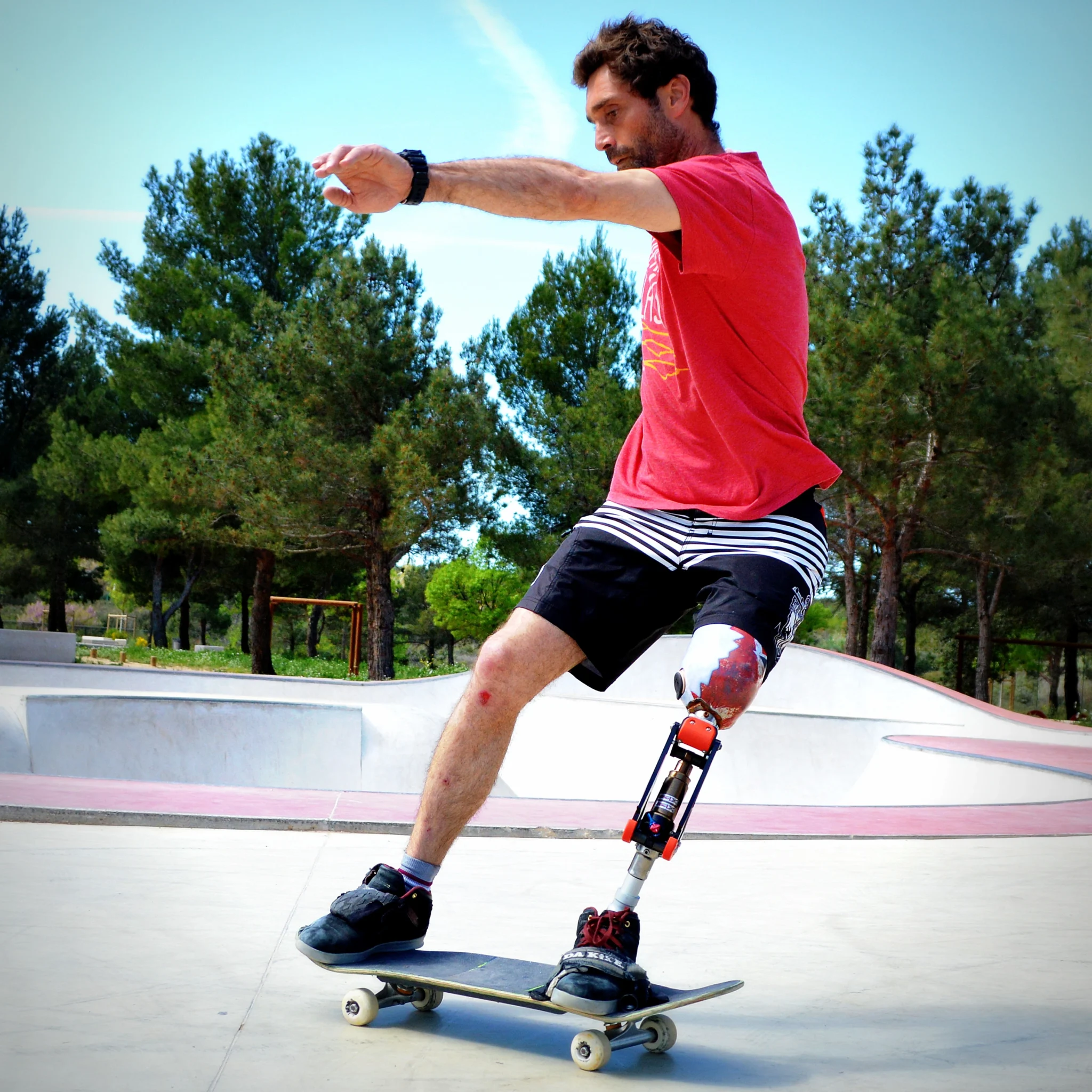
Whether it comes after an injury, illness, or congenital difference, adapting to a prosthetic leg marks a major step in reclaiming freedom, confidence, and everyday life.
If you’re exploring prosthetic legs in Atlanta, understanding the journey ahead can empower you and ease some of the uncertainty that naturally comes with change.
Understanding Prosthetic Legs in Atlanta: The First Step
At the first appointment, your care team wants to hear your story: what led you to this point, what your goals are, and how you envision your life with a prosthesis.
During this visit:
- A detailed medical and mobility history is taken.
- Measurements of your residual limb are taken to ensure a custom fit.
- Your lifestyle, activity level, and future goals are discussed.
This foundational information guides every decision that follows, from socket design to the type of knee and foot components selected.
The Fitting Process: What Happens Next
Once your care team has all the information needed, they’ll begin the process of designing and fabricating your prosthetic leg. This phase involves several key steps:
1. Measurement and Casting
Your residual limb will be carefully measured and cast to create a model that captures every contour. This ensures the socket—the part that fits around your limb—will be comfortable and secure.
2. Trial Fitting
Before the final device is made, a temporary prosthesis may be created so you can try the fit. This test run allows your provider to make adjustments based on your comfort and alignment.
3. Final Fabrication
Once the ideal fit is achieved, your custom prosthetic leg is fabricated, using materials and components suited to your needs. Advances in prosthetic technology mean your device can be more functional and comfortable than ever before.
Throughout this process, your prosthetist will explain what each part does and how it contributes to your mobility. Their goal is to help you feel confident and informed every step of the way.
Physical Therapy: Rediscovering Movement
Receiving prosthetic legs in Atlanta is exciting, but it’s not the finish line. Learning to walk requires time, patience, and often the guidance of a physical therapist.
Physical therapy helps you:
- Build strength in muscles that support your prosthetic.
- Improve balance as you adjust to your new gait.
- Practice everyday activities like walking on different surfaces, climbing stairs, and getting in and out of vehicles.
Setbacks are normal. Some days you’ll feel unstoppable, and others may feel frustrating. Lean on your support team; progress doesn’t happen in a straight line, and that’s okay.
Daily Life With Your Prosthetic Leg
Once you’ve graduated from formal therapy and are comfortable with basic movement, everyday life starts to feel more natural. Still, it’s common to face new challenges and learnings:
- Skin care: The skin where the prosthetic contacts your limb may need extra attention. Vigilance helps prevent irritation.
- Routine adjustments: Over time, your residual limb might change in shape slightly, and you may need socket adjustments.
- Footwear: Different shoes might slightly affect comfort and alignment, so experimenting with footwear is part of the process.
Becoming comfortable with a prosthetic leg is a journey. Celebrate small victories like walking to the mailbox or standing for longer periods—it all adds up.
Emotional and Social Support: You’re Not Alone
Regaining mobility isn’t just physical. Many individuals experience emotional shifts as they adapt to a prosthetic leg. Some find support through:
- Peer groups or amputee communities
- Counseling or therapy
- Sharing stories with friends and family
Connecting with others who “get it” can make a powerful difference in motivation and well-being.
Choosing the Right Provider for Prosthetic Legs in Atlanta
When it comes to prosthetic legs in Atlanta, choosing the right provider matters. Look for a team that not only has technical expertise but also invests in your quality of life. A good prosthetist listens to your goals, explains your options clearly, and stands by you through adjustments and long-term care.
Ask questions like:
- What materials and technologies do you use?
- How do you approach comfort versus function?
- What ongoing support do you offer after the initial fitting?
Georgia Prosthetics: Support Every Step of the Way
With decades of experience serving amputees throughout the Southeast, Georgia Prosthetics focuses on creating highly functional, comfortable prostheses tailored to each person’s needs.
Ready to begin your journey toward renewed mobility? Contact us at Georgia Prosthetics today.